November 3, 2026
Building a new outdoor space represents a major home investment. Materials you choose determine the longevity and visual appeal of the structure. When local deck builders evaluate materials, they look at durability, upkeep, cost, and environmental impact. Finding the right fit ensures you get the most out of your budget. By reviewing the pros and cons of these materials, you can make an educated choice that perfectly suits your outdoor lifestyle and long-term goals.
Designing With Traditional Aesthetics
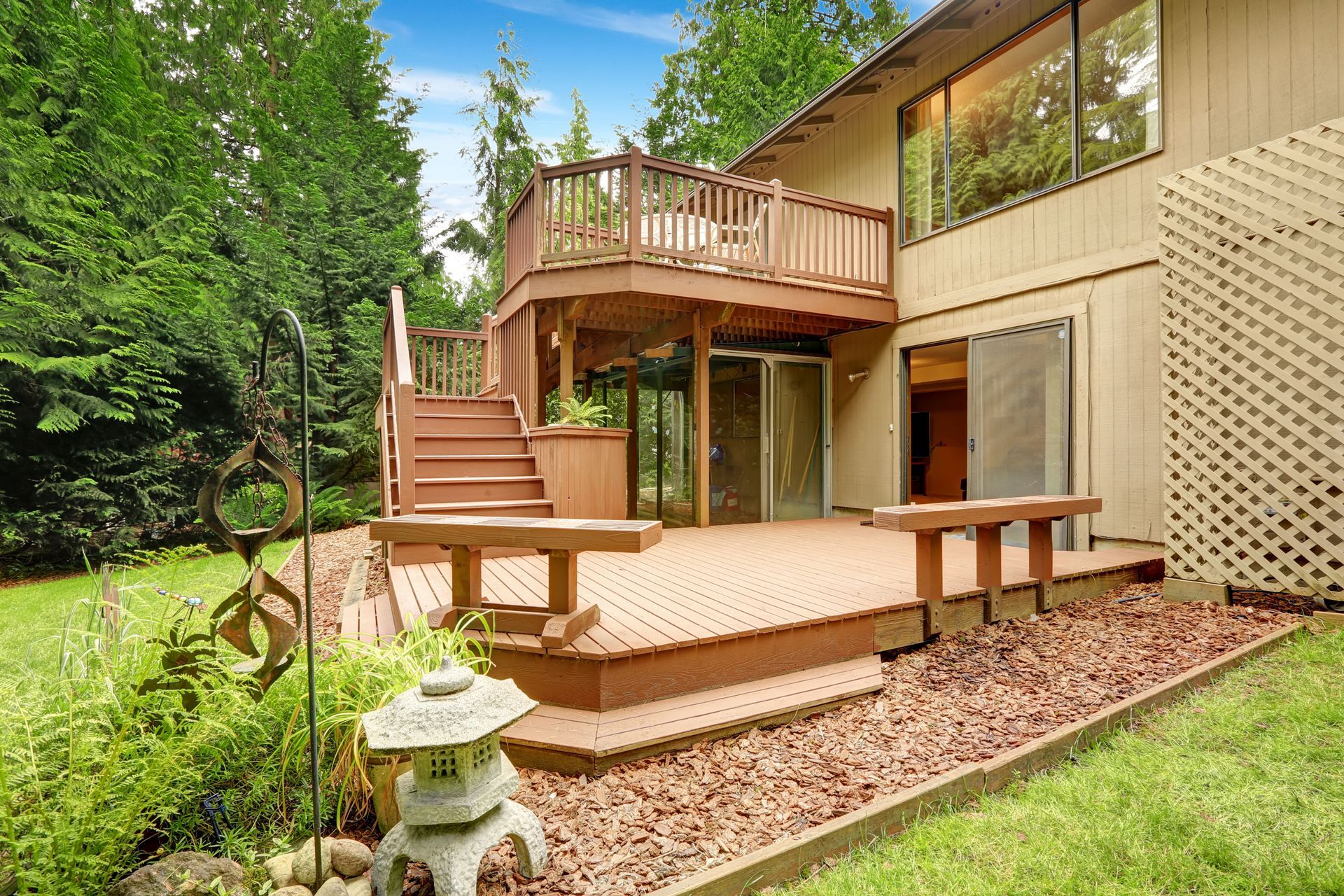
Pressure-treated lumber remains popular for homeowners seeking affordability and classic style. The earthy appearance seamlessly blends into various landscape designs. Local deck builders frequently use pine to achieve this traditional aesthetic. As the structure ages, you can easily sand and refinish the surface to match any exterior updates.
Maintaining Durability Against the Elements
The chemical treatment process helps wooden boards withstand rain and pests. However, preserving this material requires regular upkeep from homeowners to prevent decay. You must apply sealant every few years to stop moisture damage and surface cracking. Proper and consistent care ensures the structure lasts for several decades.
Weighing Initial Costs With Upkeep
Pressure-treated pine is highly affordable upfront compared to other synthetic materials. This lower initial price tag strongly attracts property owners operating on a strict budget. However, you must factor in the ongoing costs of sealing and cleaning. Over ten years, these maintenance expenses quickly add up and impact value.
Assessing the Environmental Impact
Pressure-treated wood presents specific environmental considerations due to its unique manufacturing process. Chemicals used to prevent decay can pose ecological risks if disposed of improperly. Fortunately, wood is a renewable resource, giving it an advantage over synthetic options. Opting for certified lumber helps mitigate environmental concerns during the building process.
Admiring the Warm Tones of Cedar
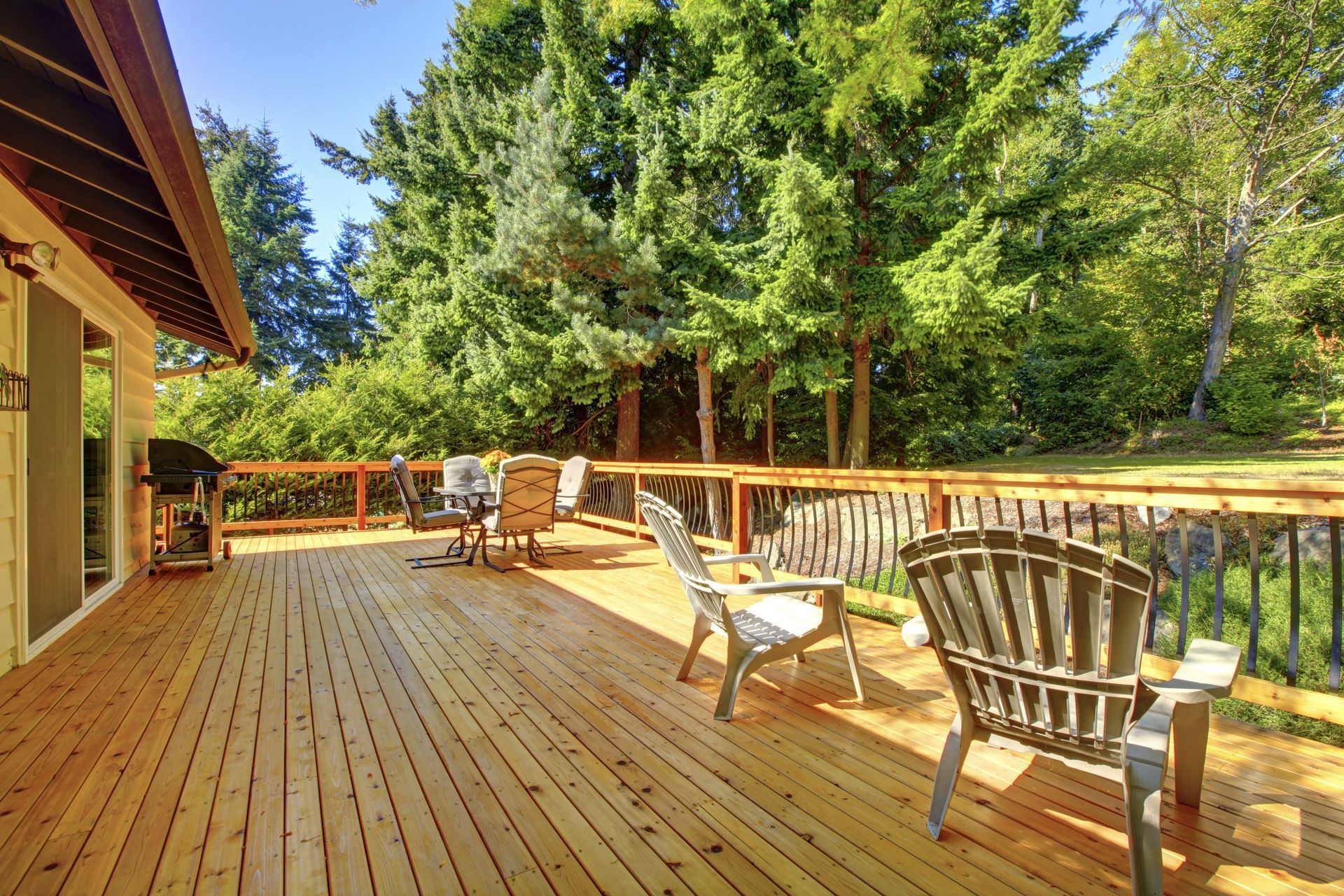
Cedar represents a premium choice featuring tones ranging from light amber to deep brown. Its natural grain patterns add a subtle texture to the wooden boards. Experienced deck builders often recommend cedar for its traditional charm and distinctive aroma. You can apply stains to maintain the original hue easily.
Preserving Cedar Against Weathering
This softwood delivers moderate durability thanks to natural oils protecting against invasive pests. To maximize its lifespan, you must conduct regular cleaning and apply fresh sealants. Constant exposure to direct sunlight causes colors to fade over time. Applying a protective finish helps maintain the warm tones and prevents structural weathering.
Budgeting for Cedar Material Costs
Cedar carries a higher price tag than pine but costs less than exotic hardwoods. According to RubyHome, deck additions and grand entrances still offer solid ROI: wood decks 95%, composite 89%, fiberglass entrances 85%. This strong return makes cedar a wise financial decision for property upgrades.
Customizing Aesthetics With Various Colors
Manufacturers provide a wide array of colors and textures to suit diverse preferences. You can achieve a realistic natural look or opt for a contemporary gray. The consistent finish eliminates the color variations typically found in lumber. Many deck builders recommend composite for active families seeking beautiful, flawless designs.
Enjoying Durability With Easy Upkeep
Composite boards excel at resisting mold and mildew in damp outdoor environments. Unlike traditional lumber, you never have to worry about splintering or insect damage. If you are interested in low-maintenance decks, this material requires only occasional cleaning. Eliminating the need for painting saves significant time and energy.
Analyzing the Costs Over Time
The initial price of composite boards typically exceeds standard pressure-treated lumber. However, minimal upkeep requirements easily justify the upfront expense over the entire lifespan. You save money by completely avoiding sealants, stains, and constant repairs. The high return on investment proves composite remains a financially sound residential solution.
Reducing Environmental Impact With Recycled Materials
Composite materials play a significant role in promoting modern green building practices. Most leading brands utilize high percentages of recycled plastics and reclaimed wood fibers. By diverting waste from landfills, these products lower the demand for timber harvesting. Their long lifespan also reduces the frequency of costly material replacements.
Mimicking Wood With Synthetic Finishes
Modern synthetic boards come in an impressive variety of realistic grain patterns. You can capture the character of natural lumber without adopting the heavy upkeep. High-performance outer coatings protect the boards from intense ultraviolet rays. Professional deck builders often suggest this option for challenging climates that degrade organic materials.
Preventing Damage With Cellular Structures
The synthetic nature of polyvinyl chloride ensures it never absorbs ground moisture. Its closed-cell structure naturally resists rapid mold growth without harsh chemical treatments. Cleaning the surface with standard soap and water keeps it looking pristine. Newer manufacturing techniques incorporate tough outer shells to resist common surface scratches.
Justifying the Long-Term Financial Value
Polyvinyl chloride requires a noticeably higher initial investment than traditional organic lumber. The long-term benefits easily justify this expense, as repair costs drop to zero. Property owners enjoy a beautiful space that requires practically no manual labor. This superior durability greatly increases owner satisfaction over a long period.
Understanding the Ecological Footprint
The plastic composition of synthetic boards requires careful consideration regarding disposal. Since the material is not biodegradable, discarded boards will persist in landfills indefinitely. However, the extreme longevity of the product means you rarely need to replace it. Choosing eco-friendly production methods helps alleviate some of these environmental concerns.
Achieving a Sleek Contemporary Look
Modern deck builders utilize aluminum to perfectly complement contemporary architectural styles. The material is available in powder-coated colors that provide a highly polished appearance. Some finishes even emulate the texture of organic materials while maintaining a metallic edge. Aluminum provides excellent design flexibility for minimalist or industrial design aesthetics.
Withstanding Harsh Environmental Conditions
The robust nature of aluminum ensures it endures extreme temperature variations effortlessly. The boards never crack, warp, or swell when exposed to heavy rain. From an upkeep standpoint, aluminum requires nothing more than a quick surface sweep. Its incredible lifespan severely reduces overall replacement cycles compared to organic wood.
Investing in a Lifelong Structure
Choosing an aluminum surface involves a significant upfront financial commitment for homeowners. However, eliminating all future maintenance expenses makes it a highly strategic financial decision. You completely avoid the costs associated with power washing and chemical pest control. For buyers prioritizing lifelong structural quality, aluminum delivers truly unmatched value.
Recycling Aluminum for Sustainability
Aluminum stands out as a highly recyclable building material on the modern market. Many products contain a massive percentage of recycled content, vastly reducing carbon footprints. When the structure finally reaches the end of its life, boards are recycled again. This circular lifecycle makes aluminum a remarkable eco-conscious property choice.
Enhancing Visual Sophistication With Rich Tones
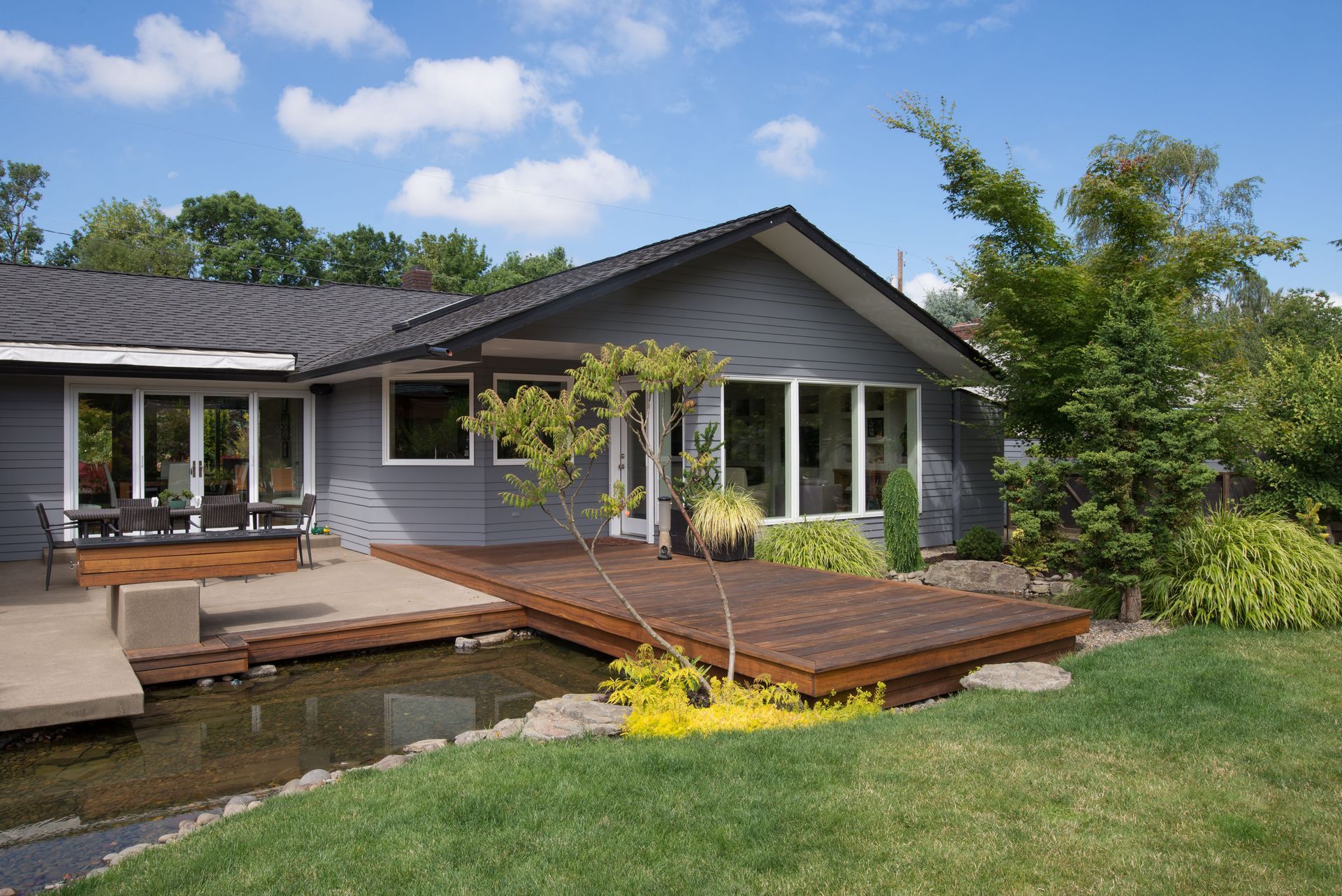
The most compelling aspect of exotic lumber is its highly sophisticated character. The rich amber tones create a deeply distinguished and luxurious backyard ambiance. If you skip applying penetrating oils, the surface gradually evolves into a silver patina. Deck builders consider exotic hardwoods a top-tier choice for luxury projects.
Securing Unmatched Durability and Strength
The dense cellular structure of exotic hardwoods makes them extremely resistant to wear. These rare species endure decades of heavy use without sustaining any significant damage. Routine upkeep involves regular cleaning and applying specialized penetrating oils to preserve color. This straightforward maintenance guarantees an extended lifespan for your outdoor living space.
Comparing Costs for Premium Materials
Importing exotic hardwoods involves significant harvesting expenses, resulting in premium retail prices. Despite the hefty upfront cost, property owners find the investment highly rewarding over time. You receive exceptional functional value over the entire lifecycle of the new structure. When aiming for the absolute highest quality, exotic hardwoods represent a strategic investment.
Sourcing Hardwoods Responsibly
The ecological impact of exotic materials depends entirely on the specific harvesting methods. Sustainable forestry practices are critical to preventing severe ecological damage in sensitive regions. You should always look for products fully certified by reputable global organizations.
Your chosen material will greatly influence the longevity and function of your outdoor space. By carefully weighing durability, financial costs, and environmental impacts, you can narrow down your options. Whether you prioritize eco-friendly sourcing or long-term strength, there is a perfect solution waiting for you. Each material offers distinct advantages that cater to different architectural styles. If you are ready to start planning, we invite you to partner with us at R&R Remodeling. Our team takes pride in crafting exceptional custom wood decks and synthetic spaces. Let us help bring your outdoor vision to life!