September 1, 2026
Outdoor spaces can become much more than places to keep a grill or outdoor furniture. With thoughtful planning, a deck can serve as an extension of the home, creating room for relaxing, entertaining, dining, and enjoying the surrounding landscape.
A well-designed outdoor living area should reflect how the household actually uses the property. Rather than choosing a standard layout, homeowners can work with a deck builder to develop features, materials, and arrangements that complement their lifestyle.
The planning process also provides an opportunity to consider the home's architecture, available yard space, privacy needs, and desired atmosphere. A carefully designed deck can feel like a natural part of the property instead of an addition that was simply placed in an open area.
Define Your Outdoor Living Goals
Before construction begins, it helps to identify what the outdoor space should accomplish. Some homeowners may want a peaceful retreat for morning coffee, while others may need an inviting setting for gatherings, meals, or family activities.
A deck builder can use these goals to guide the overall design. Discussing preferred activities early can help determine the amount of open space needed, where seating should go, and which features could make the finished area more useful.
Consider questions such as:
- Will the space primarily be used for relaxing, dining, entertaining, or a combination of activities?
- Would built-in seating, lighting, or designated areas improve the experience?
- How should the deck connect with existing doors, walkways, landscaping, and other outdoor features?
- Is privacy important, or should the design emphasize views and openness?
Answering these questions gives the project a clear direction. It also helps prevent design decisions from being based solely on appearance when functionality should remain a central consideration.
Coordinate the Design With Your Home
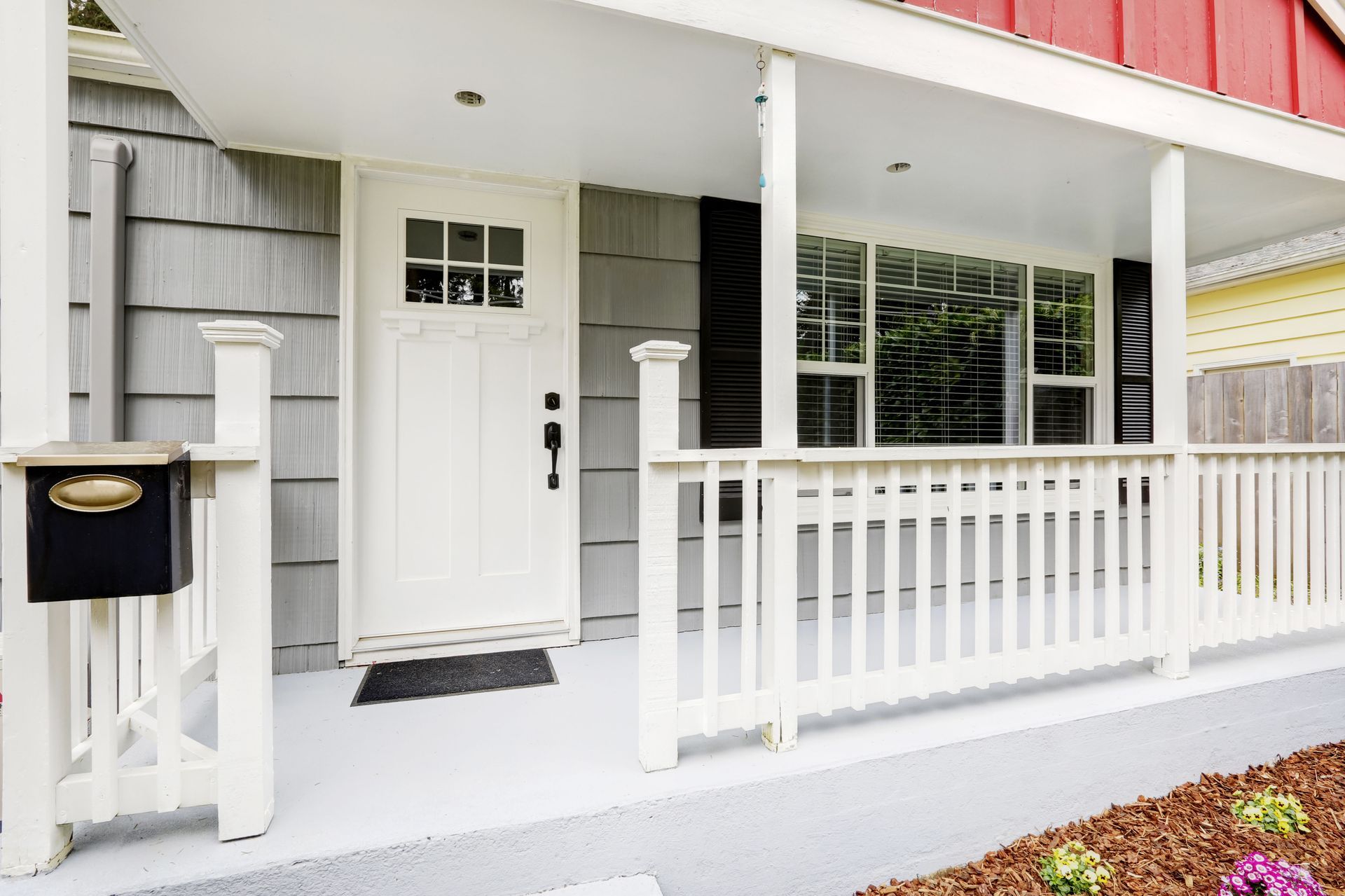
A unique deck should complement the home's existing character. Rooflines, exterior finishes, windows, doors, colors, and architectural details can all influence which deck styles feel appropriate for the property.
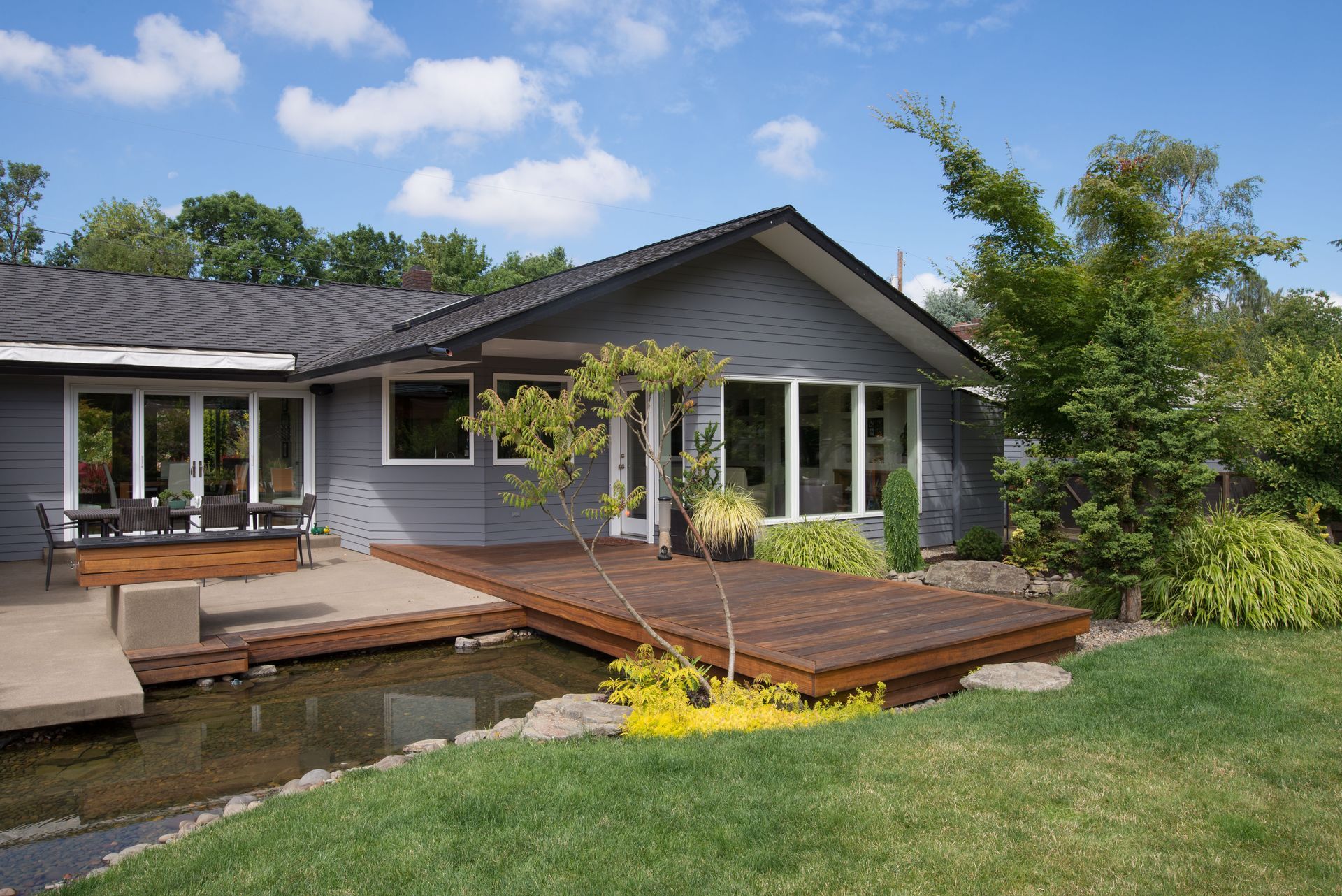
Working with a deck builder can make it easier to develop a design that looks intentional. Instead of treating the deck as a separate structure, the planning process can consider how its proportions, materials, and placement interact with the rest of the home.
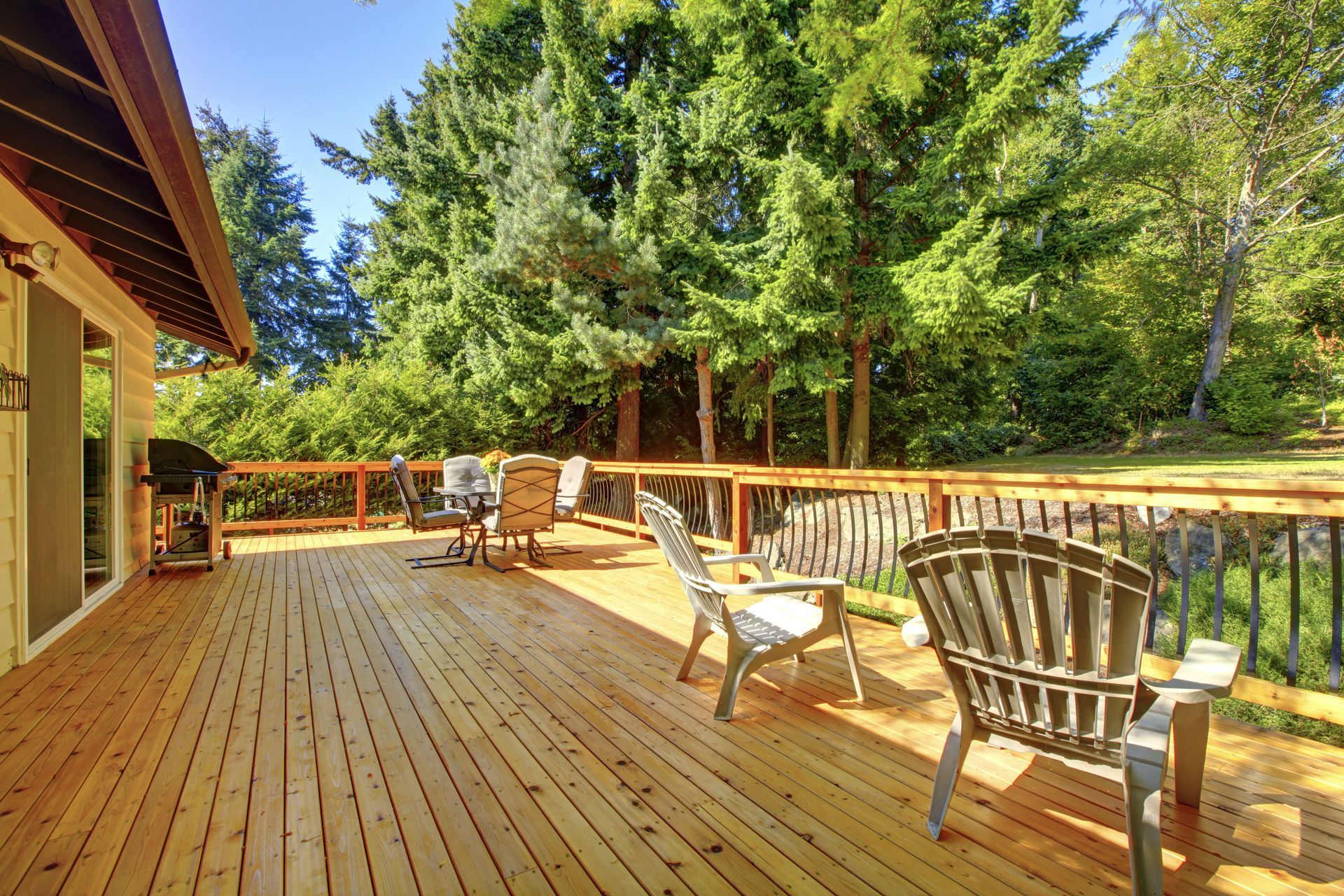
The surrounding property matters as well. Existing trees, gardens, slopes, fences, and views can affect the ideal arrangement. A design that works beautifully in one yard may not provide the same result in another setting.
Thoughtful placement can also improve the transition between indoor and outdoor areas. Positioning seating near convenient access points, for example, may make entertaining easier while allowing the deck to function as a comfortable extension of the home's living space.
Select Materials That Support The Space
Materials have a major influence on both the appearance and practicality of an outdoor living area. Homeowners can consider the look they want while also thinking about maintenance, durability, weather exposure, and how the material will interact with the home's exterior.
A deck builder can explain the differences between available material options and help match those choices with the project's goals. The best selection is not necessarily the most elaborate one, but the option that fits the property and expected use.
Color and texture can also contribute to a distinctive appearance. A deck may feature complementary tones, contrasting trim, or carefully selected finishes that create visual interest without overwhelming the rest of the property.
Material selection should also account for the surrounding environment. Sun exposure, moisture, drainage, and seasonal conditions can influence how outdoor materials perform over time. Considering those factors during planning can help support a more practical finished space.
Incorporate Features That Add Function
Unique outdoor spaces often stand out because they are designed around the homeowner's habits rather than simply following a standard layout. Functional additions can make the deck more comfortable while giving the area a character that feels personal.
A deck builder can help determine which features make sense for the available space. Built-in seating, privacy elements, planters, stairs, shade structures, and lighting are examples of details that may enhance both usability and visual appeal.
Outdoor lighting can be particularly useful for extending the enjoyment of the space after sunset. Carefully positioned fixtures can illuminate walking areas, stairs, seating zones, and architectural details without making the space feel overly bright.
Storage can also be incorporated when appropriate. Creating dedicated areas for outdoor cushions, gardening supplies, or entertainment items may help keep the living area organized while reducing clutter elsewhere on the property.
Plan Around Safety and Local Requirements
A successful outdoor project needs to account for more than aesthetics. Safety, structural considerations, drainage, access, and applicable local requirements should all be addressed during the planning process.
According to HomeGuide, rural structures below roughly 100 to 200 square feet generally may not require a permit, although requirements vary by location and project details. Homeowners should verify applicable rules with the appropriate local authority before construction begins.
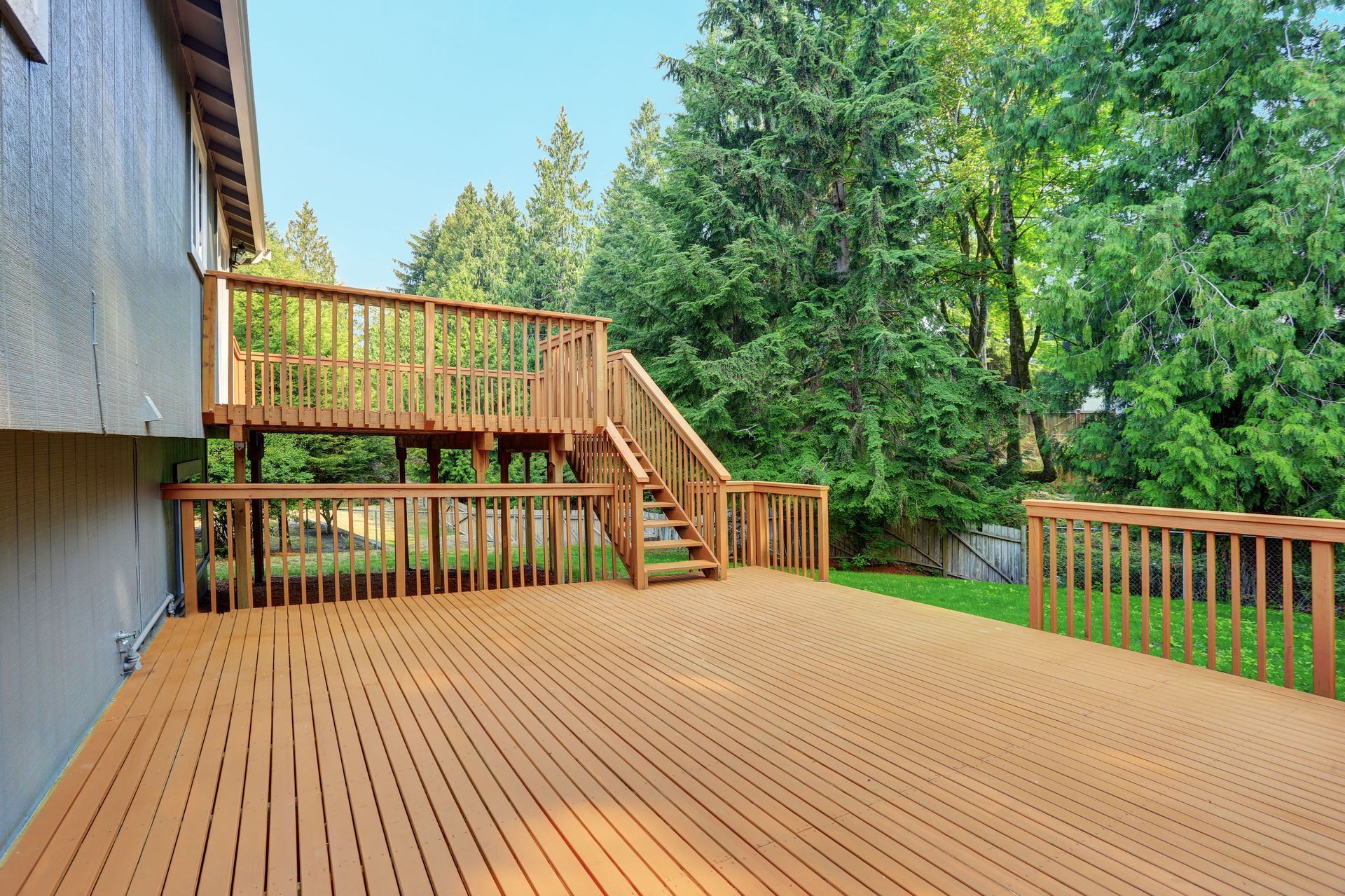
The property's existing conditions can influence the project as well. Sloped ground, drainage patterns, soil conditions, nearby structures, and access points may all affect how the deck should be designed and constructed.
Working with a deck builder during the planning stage can help identify potential challenges before work begins. Addressing those considerations early can make the project more organized and reduce the likelihood of unexpected changes later.
Safety should remain part of every design decision. Proper access, appropriate railings where required, secure stairs, adequate lighting, and suitable construction methods can contribute to a space that is comfortable for everyday use.
Create a Space That Feels Personal
Personal touches can transform an ordinary deck into an outdoor living area that feels connected to the household. Furniture arrangements, landscaping, decorative elements, colors, and functional features can all contribute to a distinctive atmosphere.
A deck builder can help establish the foundation for that personality through the structure's shape, placement, materials, and integrated features. From there, homeowners can add details that reflect how they want to spend time outdoors.
The goal does not have to be creating the most elaborate deck possible. A successful design may instead be one that makes the property easier to enjoy, provides comfortable places to gather, and complements the home's existing appearance.
Thoughtful planning can also help the outdoor space remain useful as needs change. Flexible seating areas, open portions of decking, and adaptable design choices can allow the space to serve different purposes over time.
The surrounding landscape can become part of the overall design rather than an afterthought. Plantings, pathways, garden borders, and natural views can help connect the deck with the rest of the yard. Even simple landscaping choices can make the transition between the structure and property feel more cohesive.
It is also worth considering how the space will feel from inside the home. A well-positioned deck can improve views from nearby rooms and create a more inviting connection to the outdoors. Thinking about both perspectives can result in a design that feels intentional throughout the property.
Creating a unique outdoor living space starts with understanding the property and the people who will use it. A personalized approach can turn an unused portion of the yard into a comfortable destination that supports relaxation, entertaining, and everyday enjoyment. Partner with R&R Remodeling to start planning an outdoor space designed around your home, your property, and the way you want to live outside.